EN

Coin operated billiard tables are specialized gaming tables designed for commercial use, allowing players to enjoy billiards while operators can generate revenue through coin insertion. For businesses involved in entertainment venues or recreational facilities, selecting the right coin operated billiard table is crucial to ensure optimal performance, durability, and customer satisfaction. This article will guide you through the key specifications, quality control standards, cost considerations, common issues, and applications related to coin operated billiard tables, helping you make an informed purchasing decision.




Quality Control Standards for Wholesale Coin Operated Billiard Tables
Quality control is a critical aspect of manufacturing coin operated billiard tables, especially for wholesale buyers. At BOJUE, we adhere to strict quality control standards throughout the manufacturing process, which includes:
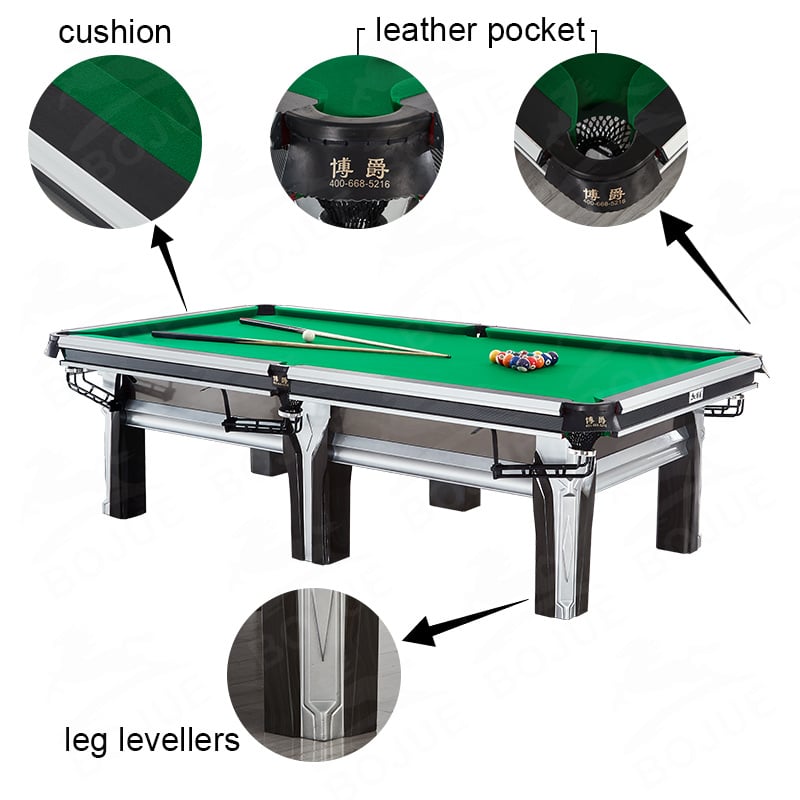
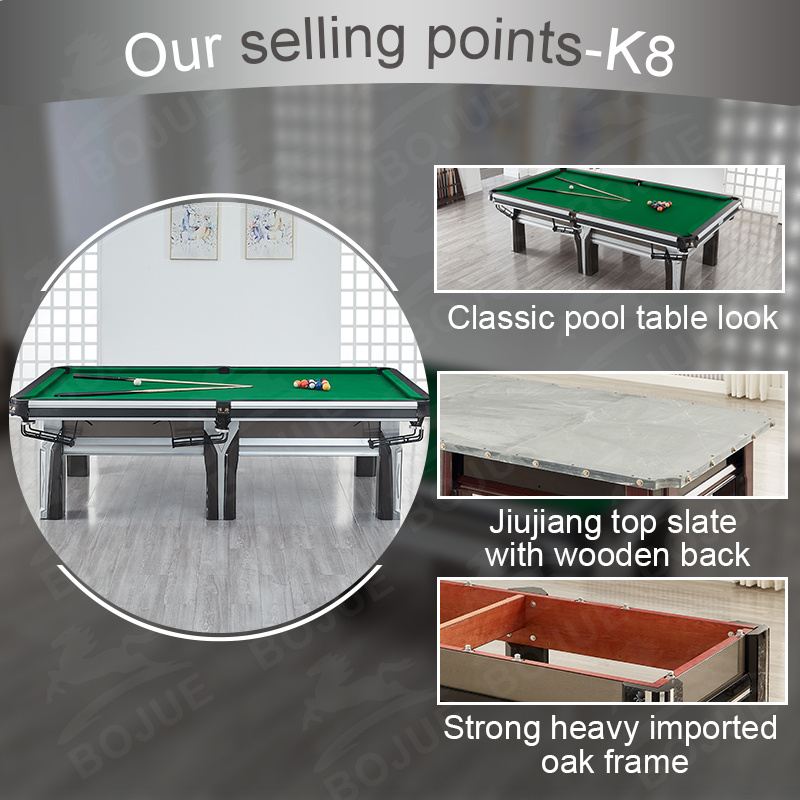
Material Inspection: Each batch of materials, such as slate, cloth, and wood, is inspected for compliance with industry standards. This ensures only the best materials are used in production.
Production Monitoring: During the manufacturing process, regular checks are performed to ensure that dimensions and assembly meet the specified standards. This includes verifying the leveling of the slate and the alignment of the frame.
Sample Testing: Before mass production, approved samples are tested for performance and durability. This includes assessing the playing surface for levelness and the coin mechanism for reliability.
Final Quality Audit: Completed tables undergo a final inspection to check for any defects or imperfections. This final quality assurance step is essential to maintain the high standards expected by our clients.
These quality control measures not only ensure product reliability but also enhance customer satisfaction, making it a vital consideration for any buyer.