EN

When looking to purchase pool tables, it's essential to understand the intricacies of these high-end products. Pool tables are not only about aesthetics; they require careful consideration of specifications, materials, and manufacturing processes to ensure quality and durability. This article will address the key concerns that B2B buyers—such as purchasing managers, distributors, and product managers—should consider when sourcing pool tables. By exploring critical specifications, supplier selection, and common challenges, we aim to support informed purchasing decisions in the billiard industry.
Where to Find Reliable Suppliers for Pool Tables
Finding trustworthy suppliers for pool tables is essential for maintaining product quality and ensuring timely deliveries.
Industry Trade Shows: Participating in billiard trade shows can provide direct access to manufacturers and a chance to see products firsthand. Events like the Billiard Congress of America Expo are excellent for networking and supplier discovery.
Online Directories: Websites like ThomasNet and Alibaba can provide comprehensive lists of manufacturers. Look for companies with positive reviews and established reputations in the billiard industry.
Referrals: Connecting with other industry professionals can yield valuable insights and recommendations. Engaging with billiard clubs or distributors might lead you to reliable manufacturers.
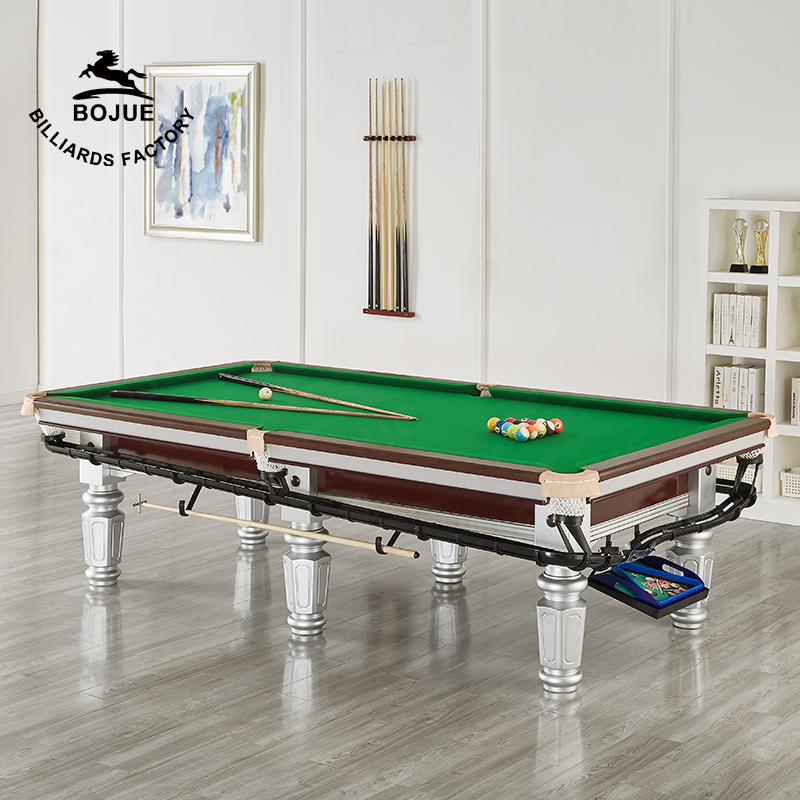
Manufacturer Websites: Companies like BOJUE, which specialize in high-end pool tables, often showcase their products and capabilities online. Reviewing their catalogs, specifications, and quality processes can provide clarity on their offerings.
Factory Visits: If possible, visiting the manufacturer's facility can help you gauge their production capabilities, quality control processes, and overall operations. It’s also an opportunity to discuss customization options directly.
By leveraging these resources, you'll be better equipped to identify suppliers who can meet your quality and delivery expectations.