EN

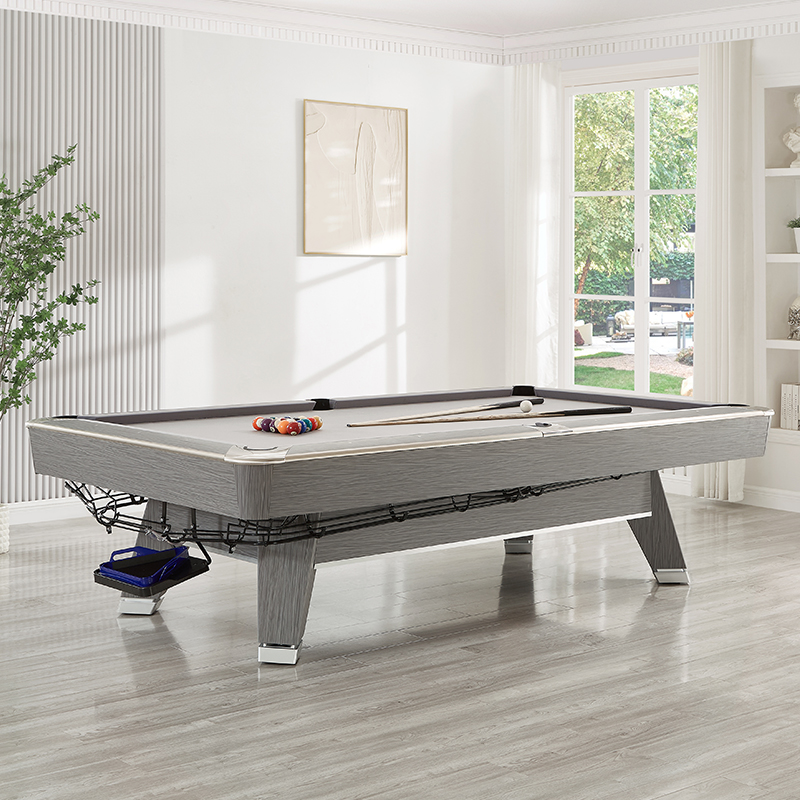
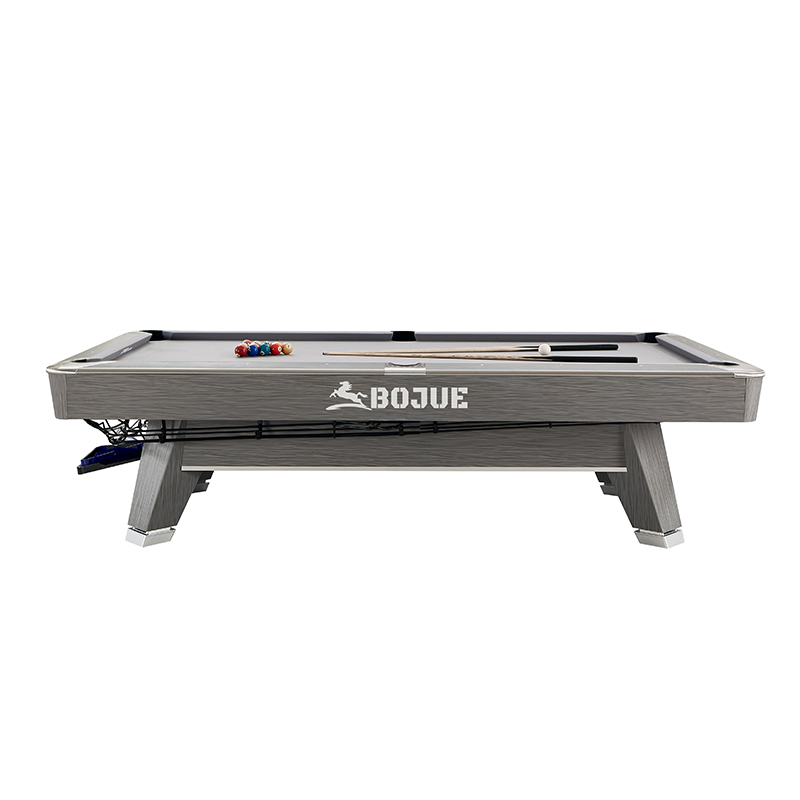
Choosing the right pool table maker is critical for businesses in the leisure and hospitality sectors. High-quality pool tables can enhance customer experience and drive engagement, making it essential for purchasing managers and distributors to understand what to look for in a supplier. This article will guide you through key considerations when sourcing wholesale pool tables, comparing materials, understanding cost factors, addressing common sourcing challenges, and identifying reliable importers for high-end tables.
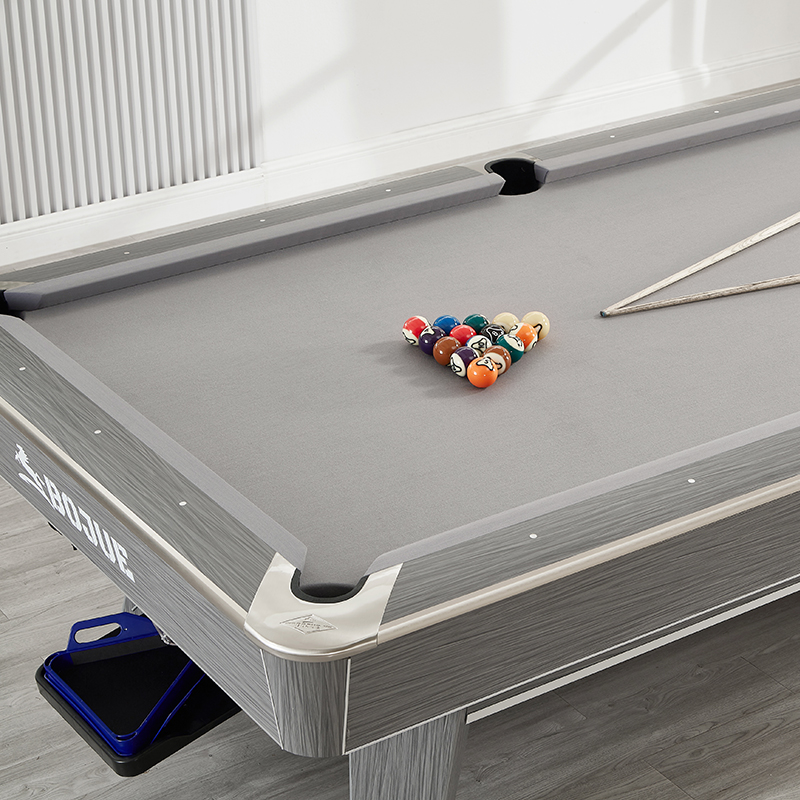
How to Compare Material Advantages in Pool Table Construction
The materials used in pool table construction are crucial for both performance and longevity. High-quality pool tables are typically made from solid hardwoods like maple or oak, which provide strength and stability. Plywood is often used for the cabinet, while slate is the preferred choice for the playing surface due to its flatness and durability.
When comparing materials, consider the following:
Durability: Solid wood tables tend to last longer than those made from engineered wood. However, high-quality plywood can be a cost-effective alternative that still offers good performance. Weight: Slate surfaces offer the best playability but add significant weight to the table. Ensure your installation site can accommodate this weight, especially for larger sizes. Finish: The type of finish can affect both the aesthetics and the maintenance of the table. A high-quality finish will protect against scratches and moisture, ensuring the table retains its appearance over time.Understanding these material advantages will help you choose a pool table that meets your specific requirements and enhances the overall experience for users.