EN

Snooker cues are essential tools for any billiard enthusiast, and sourcing high-quality snooker cues for sale can significantly impact the gameplay experience. For B2B buyers such as purchasing managers, distributors, and product managers, understanding the specifications, cost factors, and potential issues with snooker cues is vital for making informed purchasing decisions. This article will guide you through reliable sourcing options, key specifications to consider, cost considerations for bulk purchases, common problems and their solutions, and the applications of snooker cues in commercial settings.
Understanding Snooker Cue Specifications for Effective Buying
When evaluating snooker cues, several specifications are crucial to consider. The most significant factors include material, weight, length, and tip diameter.
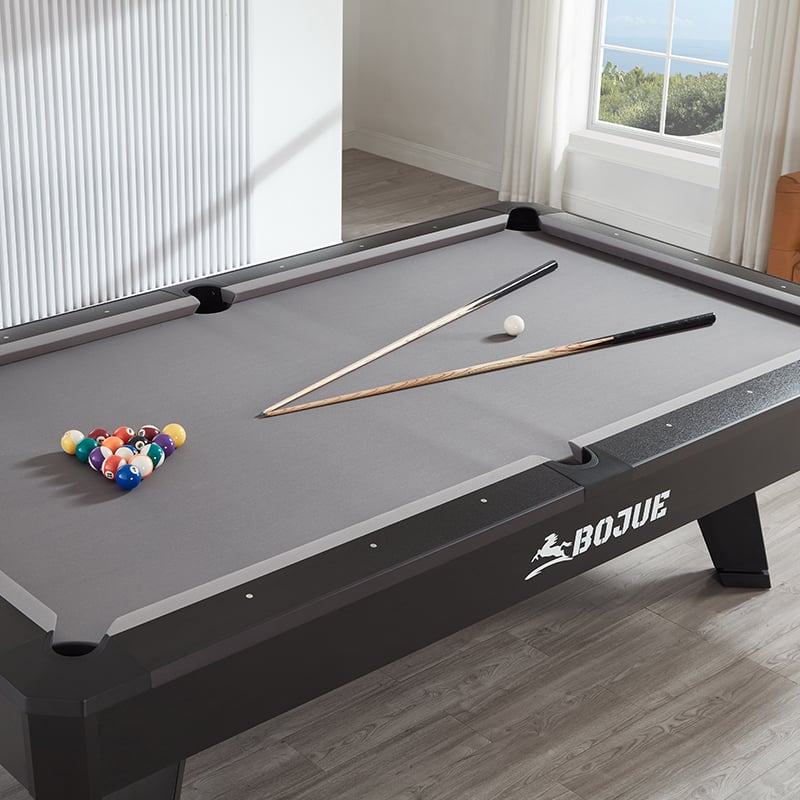
Material: Snooker cues are typically made from wood, such as maple or ash, which affects their performance. High-quality wood provides better control and feedback during play. Manufacturers like BOJUE utilize advanced technology and strict quality control to select premium wood types, enhancing durability and playability.
Weight: The weight of a cue can significantly influence a player's performance. Standard snooker cues range from 16 to 19 ounces. Players often choose a weight that complements their style, so offering a range of weights can cater to different preferences.
Length: Snooker cues usually come in lengths of 57 to 58 inches. Ensure that the length suits the target market, as shorter or longer cues may be necessary for specific applications or user preferences.
Tip Diameter: The cue tip's diameter (typically between 9.5 to 10.5 mm) affects precision and control. Understanding your customers' preferences can help in selecting the right specifications.
Buyers should also consider the finishing processes, as a well-finished cue provides a better grip and enhances durability.